Postpartum support in the Scottish Borders: what 42 local mums told me
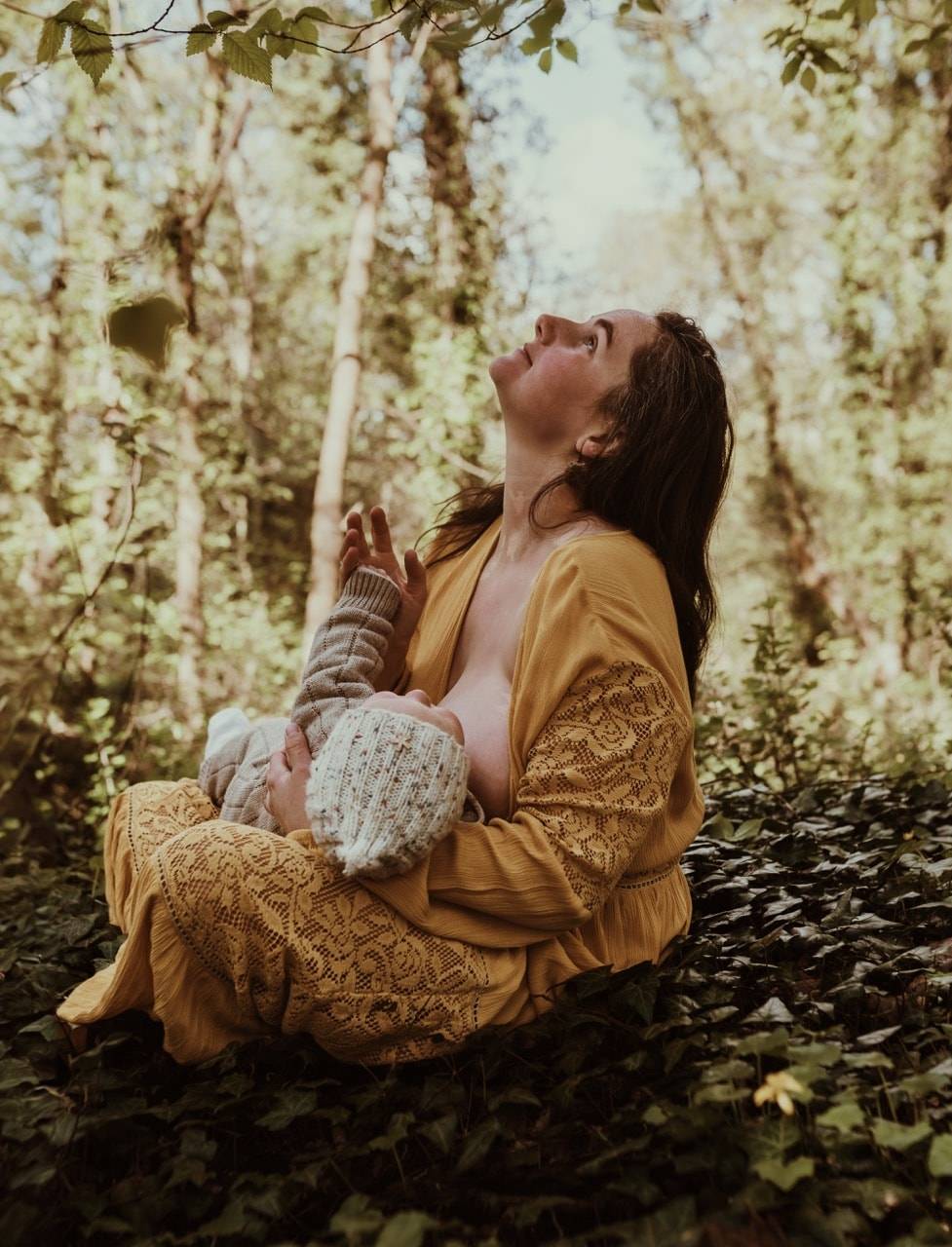
When my first daughter was born, I was far from my family, recovering from a traumatic birth and very much on my own. For a long time I wondered whether it was just me. So in October 2026, I asked other mothers here in the Scottish Borders about their own experience after birth.
42 mothers answered my anonymous questionnaire. About half had their latest baby in the last two years, and several were still in the postpartum period. Their answers were honest, moving and, sadly, not very surprising.
Most mums didn't feel prepared
We spend months preparing for birth. Far less time goes into preparing for what comes after.
Many mums were far from family
The Borders is a beautiful place to raise a family, but many of us live far from the people who would traditionally care for a new mother.
- 64% didn't have family close enough to fully support them
- 29% received no family support at all after the birth
- 48% described feeling isolated, alone or unsupported
- 36% spoke of postnatal depression, anxiety, panic or PTSD
Where family did help, it was usually in simple ways: cooking meals (45%), just being there (45%), helping around the house (40%) or emotional support (38%). Small things that make an enormous difference.
Too few people to talk to
Only a third of mums (33%) had someone they could talk to openly about their emotions, fears and worries. Another 43% only partly did: just their partner or a professional, or they found it hard to open up. Nearly one in three had no experienced woman, a "wise woman", close by to turn to for guidance.
"Not enough open spaces for women to go and say no, I'm not ok."
What mums wish they'd had
I asked what a local project caring for mothers after birth should offer. The most popular answers were:
- Emotional support and a listening ear (71%)
- Nutritious, freshly prepared meals (69%)
- Home visits from experienced postpartum support workers (67%)
- A safe space to share experiences (62%)
- Motherhood circles and community gatherings (62%)
- Support and guidance for partners (57%)
- Breastfeeding or infant-feeding support (57%)
In their own words, mums asked people to "hold the mother, not the baby", wished for "someone to do the dishes for them in the first few weeks!" and asked for "postpartum groups that aren't at 9:30am".
What this means for you
If you're expecting a baby in the Borders, these numbers aren't meant to scare you. They're a reminder that feeling unprepared or alone after birth is common, and that it isn't your fault. It's a gap in the support around mothers.
The good news is that a lot can be planned before your baby arrives: rest, warm food and the people around you. Start with the 5-5-5 rule, read what to eat after birth, and download my free After Birth Guide.
And if you're a local mum with something to share, I'd love to hear from you. Send me a message on Instagram.
About these figures: 42 mothers answered an anonymous online questionnaire in October 2026 (one test entry removed). Percentages are rounded to the nearest whole number. The figures on isolation and mental health come from mothers' own written answers, so the true numbers may be higher. If you're struggling with your mood after birth, please speak to your GP, midwife or health visitor. You can call Samaritans any time, for free, on 116 123.